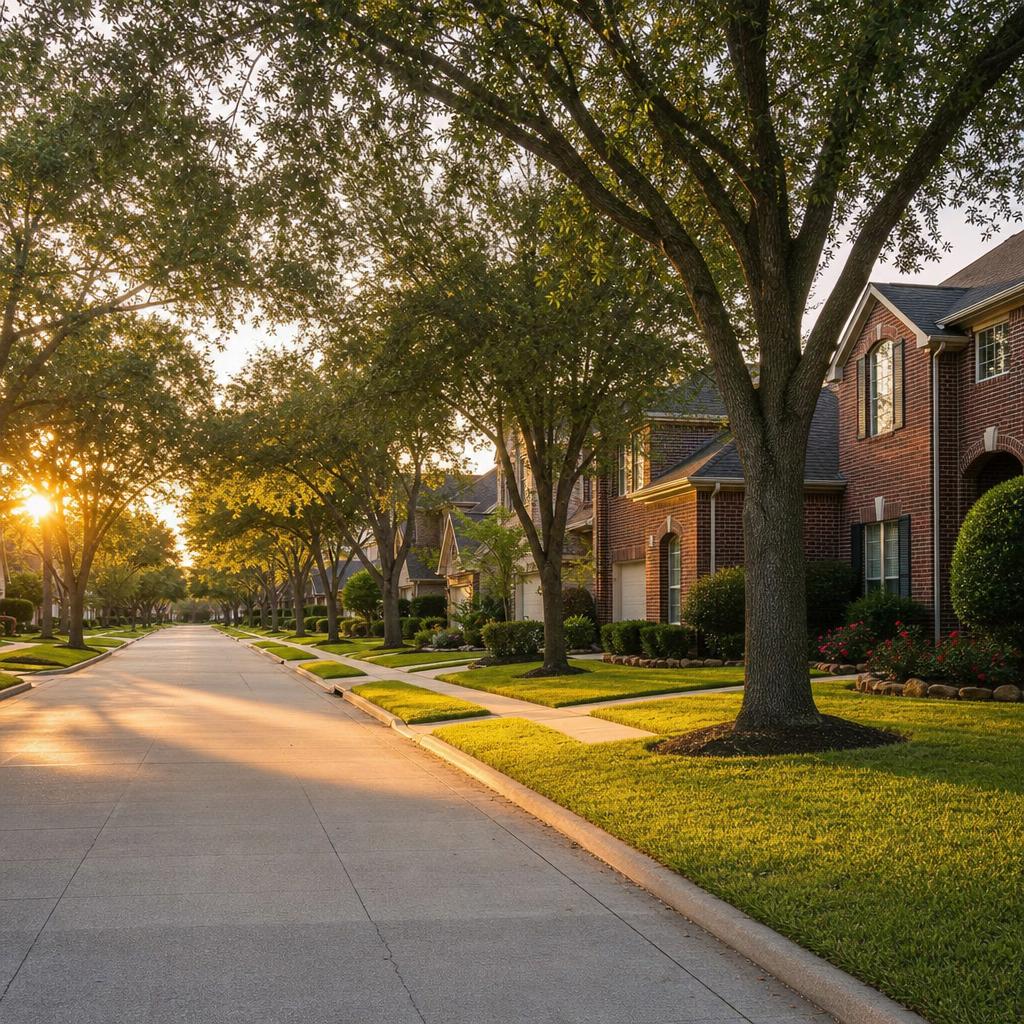
Local Response for Clodine Properties
When your property in Clodine suffers from a burst pipe, flood, or severe storm damage, every minute counts. Our crews are staged to provide rapid response across Fort Bend County, bringing commercial-grade extraction and drying equipment directly to your door.
Clodine is a small unincorporated community in eastern Fort Bend County, located along the US-90A corridor near the Fort Bend–Harris county line. The community sits within the Oyster Creek drainage basin, a watershed that winds through much of Fort Bend County before connecting to Brazos River tributary systems further south. Oyster Creek and its tributaries have a well-documented history of flooding during prolonged rain events, and Clodine's position within this low-gradient drainage area means that surface water can accumulate quickly and drain slowly when the watershed is saturated.
The residential properties in Clodine range from older ranch-style homes to newer construction, and the area's expansive clay soils — typical of Fort Bend County — present ongoing foundation and drainage challenges. Clay soil expands when wet and contracts during dry spells, placing cyclical stress on slab foundations and the plumbing embedded within them. That dynamic makes slab leak detection and remediation a recurring need for homeowners in this community. After any flooding event, the dense clay also retains moisture against foundations for extended periods, creating conditions favorable to mold growth if affected areas are not dried thoroughly and promptly.
Clodine sits along the US-90A corridor at the eastern edge of Fort Bend County, where the suburban buildout of Missouri City and Sugar Land gives way to more rural and transitional land use patterns. The area straddles several utility service boundaries, and some parcels are served by municipal water from the Fort Bend County Municipal Utility Districts while others rely on older private water supply systems — a patchwork that affects how quickly water main breaks and supply-line failures are detected and addressed. The Oyster Creek greenbelt, which Fort Bend County has developed for recreational trail use in more urbanized sections to the east, narrows and becomes a less managed drainage channel through the Clodine area, reducing its capacity to buffer surge events. Because Clodine sits near major freight rail and highway corridors carrying petrochemical and industrial cargo, any floodwater that overruns those routes may carry trace contaminants, and restoration teams should treat standing water in this area conservatively from a contamination-classification standpoint.
What to Do While You Wait for a Restoration Crew
If water is still entering the property, stop the source only when you can do so safely. Shut off the closest supply valve, avoid electrical panels and outlets near standing water, and keep children, pets, tenants, and customers away from the affected area. Do not use household vacuums on standing water, and do not walk through water when the source may be sewage, floodwater, or another contaminant. A few photos of the source, affected rooms, flooring, walls, and damaged belongings can help your adjuster understand the loss before cleanup changes the scene.
When our crew arrives in Clodine, we start with a documented assessment rather than guessing from the most visible puddle. We look for moisture beneath flooring, behind baseboards, inside cabinets, and in wall cavities, then separate emergency extraction from materials that need controlled removal. That matters in Fort Bend County, where high humidity can slow natural drying and make a small hidden leak become a mold problem quickly. The equipment plan is based on the affected materials and the size of the structure, not a one-size-fits-all package.
Property owners should also notify the plumber, landlord, building manager, or utility responsible for the source while mitigation is underway. We provide moisture readings, photographs, equipment logs, and a room-by-room scope so the restoration record is useful to your insurance carrier and to the contractor who completes repairs. Whether the loss affects a home, apartment, retail space, warehouse, or office in Clodine, the goal is the same: stop additional damage, protect what can be saved, and give you a clear next step from emergency response through final drying.
Our Services
Houston water damage restoration
See everything we offer across the Houston metro →
Recommended for Clodine
water extraction and removal services in Clodine
The most common restoration need in this area →
24/7 Availability
We answer the phone and dispatch crews around the clock.
IICRC Certified
All work is performed to strict S500 restoration standards.
Common Causes of Water Damage in Clodine
- Oyster Creek watershed overflow during sustained Fort Bend County rainfall
- Slow surface drainage on flat, low-gradient terrain near county line
- Slab foundation stress and pipe failures from expansive clay soil cycling
- Prolonged soil moisture retention against foundations promoting mold growth
Available Services in Clodine
We offer a full suite of mitigation and restoration services to residential and commercial properties in Clodine:
- Water ExtractionStanding water keeps damaging your home every minute it sits. Our crews arrive with truck-mounted extraction units to pull water out of carpet, flooring, and subfloor before it spreads further.Read More
- Structural DryingRemoving water is only half the job. We deploy industrial air movers and desiccant dehumidifiers, then track moisture content daily until your structure is verified dry.Read More
- Mold RemediationHouston humidity means mold can take hold within 24-48 hours of a water event. We contain the affected area, remove and treat compromised materials, and verify the space is safe.Read More
- Sewage CleanupSewage backups and black water intrusions are a biohazard. Our technicians follow strict PPE and containment protocols to remove contaminated water and sanitize every affected surface.Read More
- Storm & Flood DamageFrom tropical storms to sudden downpours, Harris County floods fast. We handle emergency board-up, water removal, and full structural recovery so you can get back to normal.Read More
- Fire & Smoke DamageFire damage almost always brings water damage from suppression efforts. We clean soot and smoke residue, eliminate odor at the source, and dry out any water used to fight the fire.Read More
- Contents Pack-OutWhen a room needs to be gutted for drying or demolition, your belongings can't stay in the path of the work. We inventory, pack, and move contents to secure, climate-controlled storage until your property is ready for move-back.Read More
- Sanitizing & DisinfectionDrying a structure doesn't guarantee it's sanitary. We apply EPA-registered antimicrobial treatments to affected surfaces and HVAC systems so your property is safe to reoccupy, not just visibly clean.Read More
- Equipment RentalHandling a small drying job yourself or need to supplement a contractor's equipment? We rent the same commercial-grade dehumidifiers, air movers, and air scrubbers our own crews use, fully serviced and ready to deploy.Read More
- Rebuild & ReconstructionMitigation stops the damage, but your property still needs to be rebuilt to pre-loss condition. Our licensed contracting team handles everything from drywall and flooring to final paint, so the entire job runs under one roof.Read More
Frequently Asked Questions — Clodine
For permits, code enforcement, flood-zone maps, and municipal emergency contacts in Clodine:
fortbendcountytx.govOfficial flood and municipal guidance last reviewed .